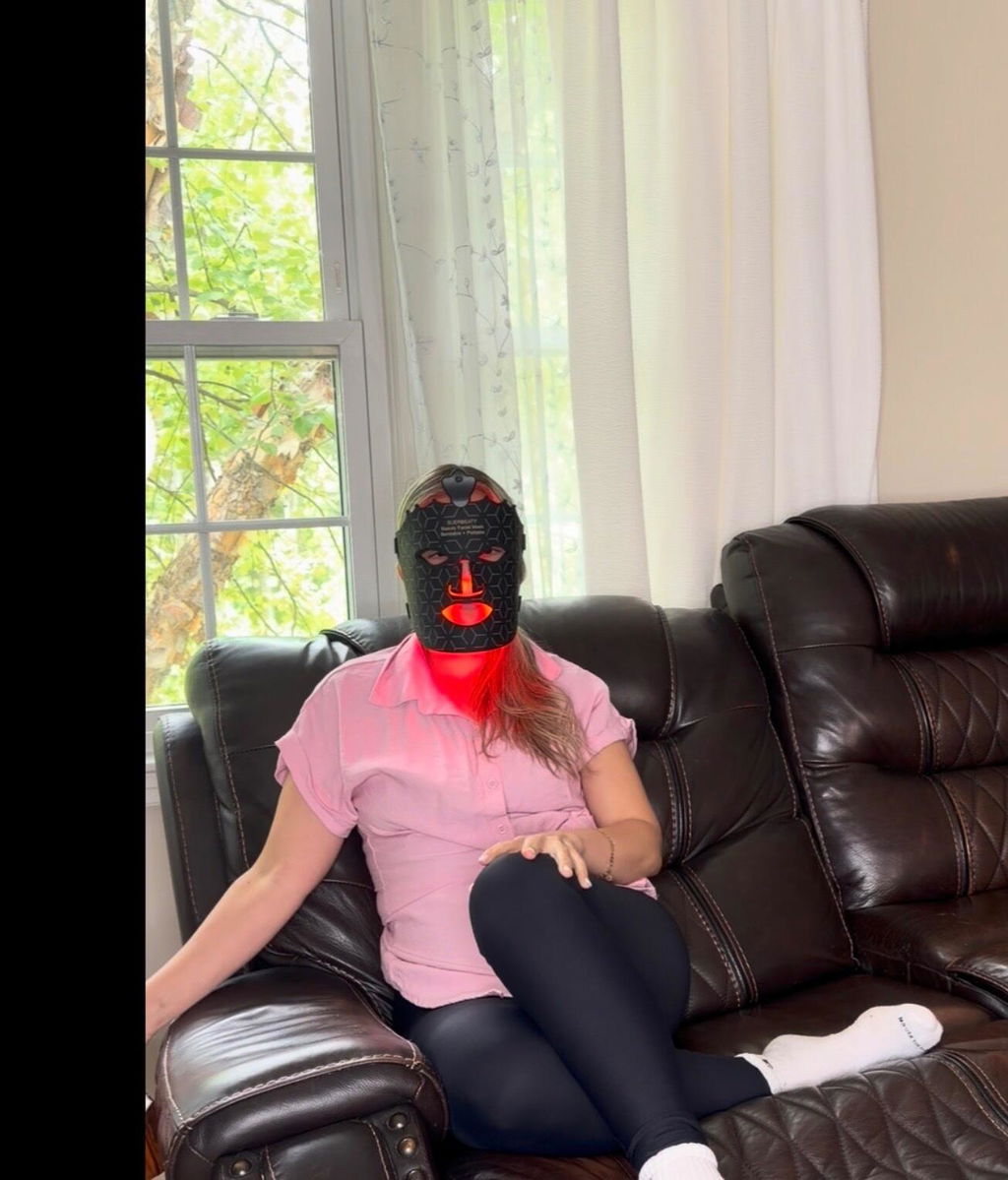
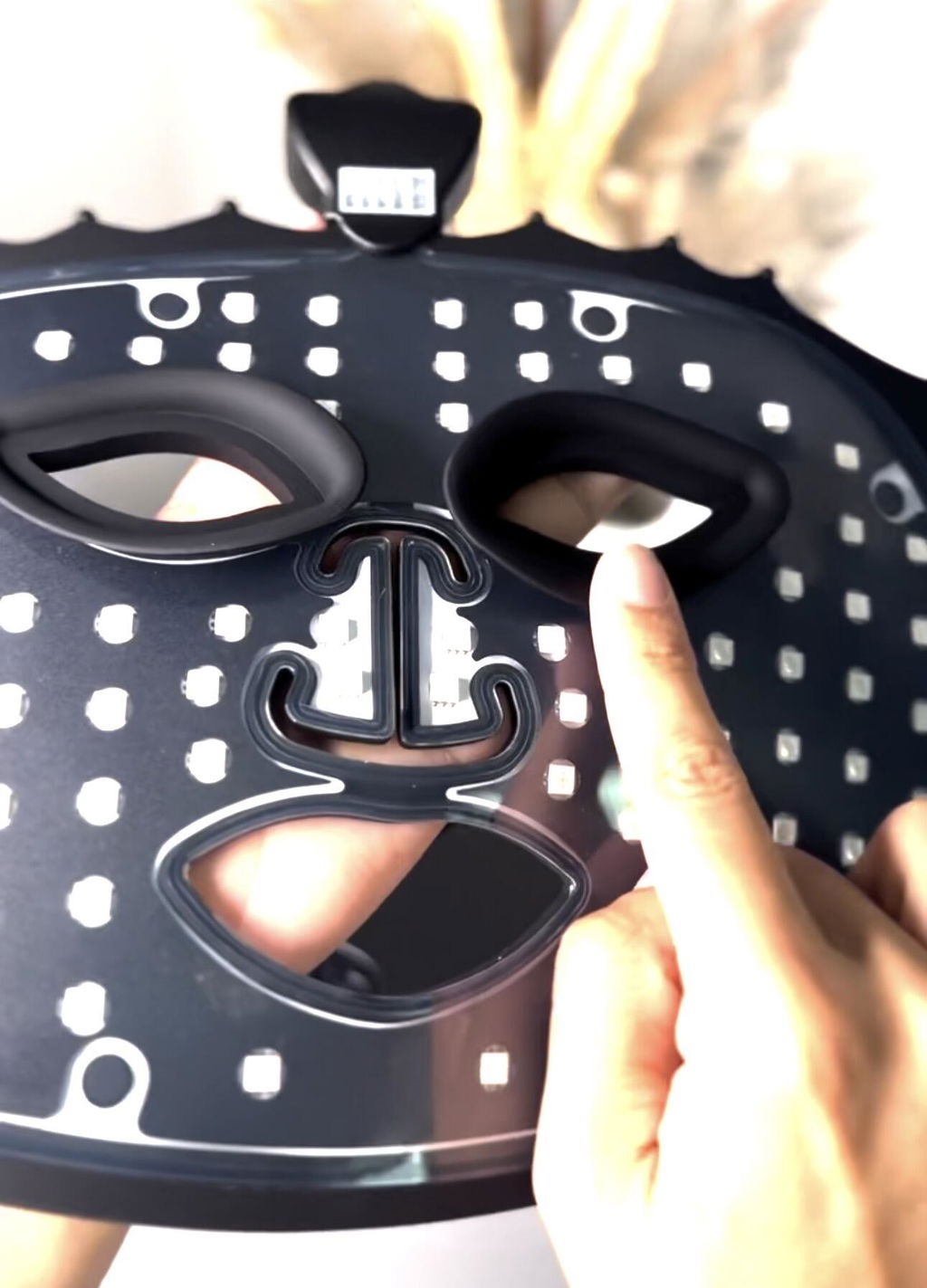
One path starts in a clinic chair with a carefully placed needle. The other starts on your bathroom counter with a 10-minute LED face mask and a playlist you already love. Both show up in the same search results—“red light therapy vs Botox”—and both get sold as the smarter way to soften wrinkles. They are not the same job.
Botox (and related neuromodulators) temporarily quiet the muscles that etch dynamic expression lines. Red light therapy, including at-home LED face masks, works through photobiomodulation: light that may support cellular energy, collagen-related pathways, and gradual changes in texture and glow. One is appointment-based and fast for movement wrinkles. The other is habit-based and cumulative for skin quality. Knowing which lane you are in—muscle quieting versus skin-quality maintenance—keeps the comparison honest.
What Botox Actually Does
Botox is a brand name people use as shorthand for botulinum toxin type A neuromodulators. In aesthetic use, a licensed injector places small doses into specific facial muscles. The toxin temporarily blocks the nerve signals that make those muscles contract. Less fold-and-release means less folding of the skin on top—so forehead lines, frown “11s,” and crow’s feet look softer while the product is active.
Onset is typically measured in days, with a fuller effect over the following week or two. Duration is usually on the order of a few months before movement gradually returns and people book again. Exact timing varies by dose, area, metabolism, and injector technique—so think in seasons of maintenance, not a permanent freeze.
What Botox does not do is rebuild collagen the way light-based or topical collagen-support strategies aim to. It does not resurface texture, even out dullness, or “heal” static lines that sit there when your face is at rest. Those static creases can look better when the overlying muscle stops creasing them, but the neuromodulator’s primary lane is still dynamic wrinkles from expression—targeted, temporary muscle quieting under professional care, not a full-face skin-quality program.
What Red Light Therapy (and LED Face Masks) Do
Red light therapy is a consumer-friendly name for photobiomodulation: specific wavelengths of red and often near-infrared (NIR) light absorbed by cells, with research interest in mitochondrial energy pathways, local circulation, and fibroblast activity linked to collagen and elastin. It does not paralyze a muscle or “freeze” a frown. It is a consistent, low-drama nudge for how skin behaves over weeks.
At-home LED face masks package that idea into short sessions you can actually keep. A typical night looks ordinary: cleanse, settle the mask, sit through a podcast for roughly ten minutes (device directions vary), then moisturizer and bed. The promise of at-home red light therapy mask benefits is stacking those gentle exposures—radiance and finer texture that build because you showed up—with no needles and no downtime.

Pictured: 7-Color Silicone LED Light Mask — $83.99 →
Clinic panels can be stronger and more tightly dosed. Home masks trade some intensity for consistency and convenience. Used well, they sit in the “skin quality and cumulative collagen support” lane—not the “stop this muscle from moving tomorrow” lane. That distinction is the whole story when people ask whether light can stand in for a neuromodulator.
Red Light Therapy vs Botox — Side-by-Side
| Factor | Botox | Red light / LED mask |
|---|---|---|
| Best for | Dynamic wrinkles from expression (forehead, frown, crow’s feet) | Fine lines, texture, glow, gradual firmness feel; overall skin quality |
| How it works | Neuromodulator temporarily reduces muscle contraction | Photobiomodulation; light absorbed by skin cells; collagen/texture support over time |
| Where | In-office with a licensed injector | At home (or spa/derm adjunct); mask or panel on clean skin |
| Time per dose | Appointment visit; treatment itself is relatively quick | Short sessions (often ~10 minutes), several times per week |
| How fast | Days to about two weeks for a clearer effect | Glow often discussed in a few weeks; lines/firmness usually need longer consistency |
| Ongoing cost | Recurring appointments every few months | Upfront device cost; then electricity and habit |
| Reversibility / pause | Effects fade as product wears off; you stop booking | Pause anytime; benefits are cumulative and tend to need ongoing use to maintain |
Treat the table as two complementary categories. Many people who love injectables still care about texture. Many people who prefer light still have deep expression lines light alone will not erase.
Does Red Light Therapy Stimulate Collagen?
Yes—modestly, and with consistency. Photobiomodulation research around photoaging keeps circling fibroblasts and markers tied to collagen production and skin appearance. Reviews and controlled trials in the dermatology literature support the idea that appropriate light parameters can improve aspects of aging skin such as fine lines, roughness, and collagen density measures—without claiming a miracle rebuild overnight.
What a reader might actually notice at home is quieter than ads suggest: finer-looking texture, a slightly firmer feel when you press a cheek, or skin that looks less tired in good light after weeks of steady use—not a lifted jawline or erased deep fold. The change tends to show up as how skin feels and photographs over time, not as a sudden contour shift.
Device details matter more than LED-count marketing. Wavelength (often red and near-infrared ranges used for facial rejuvenation), irradiance (how much light energy reaches the skin), session frequency, and your baseline skin shape outcomes more than a flashy diode tally on the box. Specs and a schedule you can keep beat LED-count bragging.
Plain boundary: support for photoaging appearance is not a neuromodulator or surgical remodeling. Red light may help skin quality; it does not freeze the muscle that creases it or rebuild structure the way a procedure does. Expect cumulative, modest help.
Related reading: Botox Alternatives: The Needle-Free Routine (Red Light + Peptides) — or browse the Younger Glow serum lineup, including the Blue Copper Peptide Serum ($35.99).
Red Light Therapy for Wrinkles at Home — What to Expect
Match the wrinkle to the tool.
Dynamic wrinkles—the ones that deepen when you raise your brows, scowl, or squint—are Botox’s specialty. An LED mask will not stop that muscle from contracting the way a neuromodulator does. If your main goal is a frozen-smooth forehead by next Thursday, light therapy is the wrong primary plan.

Pictured: 7-in-1 LED Light Therapy Face Mask — $82.99 →
Fine lines, crepey texture, dullness, and that “tired but not dramatically etched” look sit closer to red light therapy for wrinkles at home. With steady use, people often describe softer-looking fine lines and healthier surface quality—not dramatic erasure of deep folds. Static lines at rest may ease a bit as skin quality improves; deep etched grooves usually need more than light alone.
Think of home RLT as cumulative maintenance: a quiet deposit into skin resilience. Miss weeks, and you are not “undoing Botox”—you are simply pausing a habit that works by repetition. Keep sunscreen, retinoids (if your skin tolerates them), and sleep in the conversation; light is a layer, not a lifestyle exemption.
How Long to See Results from an LED Face Mask
Skip the overnight-miracle ads. Qualitative ranges that match how people and SERPs talk about home LED use look more like this:
- Glow and radiance are often discussed around about 2–4 weeks of steady use—skin looking a bit more rested or even-toned in good light.
- Fine lines and a firmer feel are more often discussed around about 8–12 weeks of consistency, sometimes longer depending on the device and your baseline.
Those windows are directional estimates, not precise clinical timelines. Quality of the mask, how closely you follow session length and frequency, and where you started all stretch or shrink the timeline. A carefully chosen device you use four times a week will beat a “stronger on paper” mask that lives in a drawer after week two.
If nothing has shifted by the later window despite honest adherence, reassess expectations, technique, or whether your goals belong more with a neuromodulator or professional treatment.
Cost and Lifestyle — Appointments vs a Mask Habit
Cost-of-ownership is conceptual more than a spreadsheet duel. Neuromodulator maintenance is a recurring appointment: time off for the visit, travel, and fees that return every few months for as long as you want the effect. In the US, public pricing often lands in the hundreds of dollars per treated area, so yearly spend can reach roughly the low thousands depending on how many areas you treat and how often you return—directional context only, not a quote. An at-home LED mask is a one-time purchase you amortize across months of short sessions. Younger Glow’s public listings often sit roughly in the $72–$423 band depending on the device—useful as a soft price-context anchor, not a “cheap vs expensive” morality play.

Pictured: Blyss Helio LED Face Mask — $422.99 → (see more in Premium Masks)
Lifestyle differences are clearer than dollar debates:
- Privacy: treatment happens in your space, not a waiting room.
- Downtime: none for typical at-home LED use; you can go straight to moisturizer or bed.
- Habit design: ten-ish minutes with a podcast beats calendar Tetris—if you actually show up for the habit.
Neither path is “the responsible adult choice” in the abstract. Appointments buy speed and precision for dynamic lines. A mask habit buys consistency for skin quality without needles. Plenty of people prefer injectables for good reasons—and that preference deserves the same respect as choosing light.
Can an At-Home LED Mask Replace Botox?
No—not as a 1:1 replacement for dynamic wrinkles. An LED face mask vs Botox comparison only stays honest when you admit different mechanisms. Light does not temporarily quiet the muscle that carves an “11.” If expression lines are your primary complaint and you want that specific softening, a neuromodulator under professional care is still the tool built for that job.
Where an at-home LED mask does earn a place:
- As maintenance for texture, glow, and collagen-support goals between bigger treatments
- As an appointment-stretching companion—supporting skin quality between visits (the fair reading of “Botox alternative at-home LED mask,” not “skip the doctor forever”)
- As a needle-free path when your goals match light: early fine lines, dullness, cumulative firmness feel, and habit-friendly care
Using both is common and complementary. Light does not freeze muscles, so it does not undo a neuromodulator’s job. After injections, wait about 24–48 hours (or follow your injector’s instructions) before pressing a mask or panel—or adding heat—on treated areas. Between visits, red light therapy can support skin quality; it does not reliably “prolong” how long the toxin lasts.
Medical decisions belong with a dermatologist or qualified injector/esthetician who can see your face, history, and medications. Use this article to ask better questions—not to self-prescribe.
Related reading: The Maintenance Era — why consistency beats intensity.
How to Choose an At-Home Red Light Mask Without the Hype
A short checklist beats a viral unboxing:
- Wavelength clarity. Look for transparent red (and often NIR) ranges aimed at facial skin rejuvenation—not a rainbow of unexplained colors marketed as a cure-all. (Compare multi-color LED masks if you want more than red.)
- Comfort you will keep. Fit, weight, heat feel, and session length matter more than LED-count bragging. Adherence is the active ingredient.
- Eye protection. Follow the device instructions. If goggles or shields are specified, use them—sunglasses are not a casual substitute.
- Regulatory language. Prefer accurate FDA-cleared (or 510(k) cleared) wording when a brand claims it. Treat casual “FDA approved” marketing for these devices as a red flag; clearance and approval are not the same thing in consumer LED talk.
- Skip the miracles. Pass on overnight wrinkle erasers, vague “NASA tech” storytelling without specs, and off-topic helmets or full-body beds if your goal is facial skin.

Pictured: 7-Color LED Facial Mask (cordless) — $149.99 →
If you want a brand that stays in the skip-the-appointment, short daily-session lane, Younger Glow designs at-home red light / LED masks for that kind of maintenance rhythm—then keep shopping the checklist above rather than any single logo. No device replaces judgment.
Shop the Masks in This Article
Every device below is the exact mask pictured above. Tap the photo or the name to go straight to its listing.

Pursonic 7-in-1 LED Light Therapy Face Mask
$71.99 — entry point


Blyss Helio LED Face Mask
$422.99 — premium
Browse by category: All Masks · Red Light Therapy · Multi-Color LED Masks · Premium Masks · Skincare Tools & Devices · Serums · Moisturizers & Creams
FAQ
Can red light therapy replace Botox?
Not as a direct substitute for dynamic expression lines. Red light therapy supports skin quality and collagen-related goals over time; Botox temporarily reduces the muscle movement that creates those lines. Many people use both for different jobs.
Does red light therapy work on expression lines?
It does not stop the muscle from moving. You may see softer-looking fine lines and better texture with consistency, but deep frown or forehead creases driven by strong expression usually need a neuromodulator (or another clinical approach) for that specific freeze-and-smooth effect.
How often should I use an LED face mask?
Follow your device’s directions. Many at-home protocols cluster around several short sessions per week rather than a single marathon. Consistency over 8–12 weeks matters more than occasional long sessions. If you have a light-sensitive condition or take photosensitizing medication, ask a clinician first.
Is at-home red light therapy safe?
For many healthy adults, short-term use of properly designed LED devices appears low-risk compared with UV light, and dermatology organizations discuss it as generally safe when used as directed. Still: protect your eyes as instructed, be cautious with photosensitivity (conditions like lupus, or certain medications), and consider checking with a board-certified dermatologist—especially for deeper skin tones where visible light sensitivity and pigmentation risk deserve a personalized plan. Mild temporary redness or irritation can happen; stop and seek advice if something feels wrong.
Who is a better fit for Botox vs an LED mask?
Choose Botox (with a qualified injector) if your priority is fast softening of dynamic forehead, frown, or crow’s feet lines and you are comfortable with appointments. Choose an LED mask if you want needle-free, private, cumulative support for glow, fine texture, and collagen-minded maintenance—or if you already use injectables and want a companion habit. Overlap is common; rivalry is optional.
Closing
Botox and red light therapy are different tools with different jobs: one quiets movement for dynamic wrinkles; the other builds a quiet, cumulative case for skin quality at home. Match the goal, respect the limits, and treat “alternative” as maintenance and appointment-stretching—not a medical swap. Explore at-home LED options at youngerglow.us when you are ready for a 10-minute maintenance habit.